Screening vs Surveillance

Loosely speaking, screening and surveillance may have the same meaning – looking for possible presence of a disease in a patient.

Strictly speaking, there is a difference.

Surveillance is a “close and continuous observation” or long-term vigil over the health of an individual.

Screening is a short-term operation to examine an individual to check the health if a disease is present.

Screening may be done within the surveillance procedure.

Examples:

Breast cancer surveillance – monitoring for breast cancer recurrence over a period of time – the monitoring can be done by the patient (through symptom-monitoring and breast examination) and by the physician (through clinical examination and laboratory tests). The examinations done by the patient and the physician may be called screening procedures. So, screening is within the surveillance.

Breast cancer screening – a patient goes to a physician to have a breast check for possible cancer. The physician does clinical examination and laboratory tests. The whole procedure constitute breast cancer screening (not surveillance).

ROJ@21jul20

Posted in Screening vs Surveillance | Leave a comment

Propranolol in Breast Cancers

Problem-based learning Issue: Can propranolol be used in the treatment of breast cancers?


ROJoson Summary and Takeaway Learning:

Seems there is a beneficial effect.

Will try in advanced breast cancers.

Propranolol (Inderal)

40mg /tab preparation

40mg 2x./day (monitor BP and PR) — 80mg /day

may escalate to 160 mg daily (monitor BP and PR)

80mg to 160 mg daily


Notes


Could beta-blockers slow the spread of cancer?

23rd January 2020

http://www.pharmatimes.com/news/could_beta-blockers_slow_the_spread_of_cancer_1323268

Pre-operative b-blockade with propranolol reduces biomarkers of metastasis in breast cancer: a Phase II randomized trial

80 – 160 mg daily propranolol

(40 mg oral propranolol or placebo) twice daily starting seven days prior to the date of surgery

Dosing schedule and anesthetic management

 Patients were instructed to commence the study drug (40 mg oral propranolol or placebo) twice daily starting seven days prior to the date of surgery. Patients were provided with a dosing schedule, a home monitor (Omron Blood Pressure Monitor – HEM7130ä, Omron Healthcare, Japan) for self-assessment of blood pressure and heart rate, and a chart for daily recording of symptoms and hemodynamic data. After three days of treatment, the dose of study drug was escalated to 80 mg oral propranolol or placebo twice daily until the day of surgery (Fig 1A) if the following three pre-determined criteria were met: systolic blood pressure was greater than 110 mm Hg, and heart rate was greater than 65 beats per minute, and they had no significant symptoms (e.g., syncope, insomnia, fatigue). After surgery, patients were weaned from study medication over three days (Fig 1A). All investigator-assessed measurements of blood pressure and heart rate occurred at the institution in which the trial was conducted. Study drug consumption was verified by patient self reporting (log-book), supervised administration during hospital admission, and tablet count in returned study drug vials. For cancer surgery, all patients were prescribed a protocolized anesthetic (Supplementary Methods), and intraoperative hemodynamic data were collected. On the day of surgery, subjective patient anxiety was assessed using a 3-point Likert scale. Patients were asked whether their anxiety and stress levels were ‘better’, ‘no change’, or ‘worse’ than prior to commencing drug treatment.


2020

Beta-Blockers and Cancer: Where Are We?

file:///C:/Users/user1/Downloads/pharmaceuticals-13-00105-v2.pdf


Beta blockers and breast cancer mortality: a population- based study

https://pubmed.ncbi.nlm.nih.gov/21632503/

2010

Abstract

Purpose: Preclinical studies have demonstrated that antagonism of β₂-adrenergic signaling inhibits several pathways necessary for breast tumor progression and metastasis. A series of population-based observational studies were conducted to examine associations between beta blocker use and breast tumor characteristics at diagnosis or breast cancer-specific mortality.

Patients and methods: Linked national cancer registry and prescription dispensing data were used to identify women with a diagnosis of stage I to IV invasive breast cancer between January 1, 2001, and December 31, 2006. Women taking propranolol (β₁/β₂ antagonist; n = 70) or atenolol (β₁ antagonist; n = 525), in the year before breast cancer diagnosis were matched (1:2) to women not taking a beta blocker (n = 4,738). Associations between use of propranolol or atenolol and risk of local tumor invasion at diagnosis (T4 tumor), nodal or metastatic involvement at diagnosis (N2/N3/M1 tumor), and time to breast cancer-specific mortality were assessed.

Results: Propranolol users were significantly less likely to present with a T4 (odds ratio [OR], 0.24, 95% CI, 0.07 to 0.85) or N2/N3/M1 (OR, 0.20; 95% CI, 0.04 to 0.88) tumor compared with matched nonusers. The cumulative probability of breast cancer-specific mortality was significantly lower for propranolol users compared with matched nonusers (hazard ratio, 0.19; 95% CI, 0.06 to 0.60). There was no difference in T4 or N2/N3/M1 tumor incidence or breast cancer-specific mortality between atenolol users and matched nonusers.

Conclusion: The results provide evidence in humans to support preclinical observations suggesting that inhibiting the β₂-adrenergic signaling pathway can reduce breast cancer progression and mortality.


The effects of beta-blocker use on cancer prognosis: a meta-analysis based on 319,006 patients

https://www.dovepress.com/the-effects-of-beta-blocker-use-on-cancer-prognosis-a-meta-analysis-ba-peer-reviewed-fulltext-article-OTT

https://www.ncbi.nlm.nih.gov/pmc/articles/PMC6109661/

2018

Background: Beta-blockers are antihypertensive drugs and have shown potential in cancer prognosis. However, this benefit has not been well defined due to inconsistent results from the published studies.
Methods: To investigate the association between administration of beta-blocker and cancer prognosis, we performed a meta-analysis. A literature search of PubMed, Embase, Cochrane Library, and Web of Science was conducted to identify all relevant studies published up to September 1, 2017. Thirty-six studies involving 319,006 patients were included. Hazard ratios were pooled using a random-effects model. Subgroup analyses were conducted by stratifying ethnicity, duration of drug use, cancer stage, sample size, beta-blocker type, chronological order of drug use, and different types of cancers.
Results: Overall, there was no evidence to suggest an association between beta-blocker use and overall survival (HR=0.94, 95% CI: 0.87–1.03), all-cause mortality (HR=0.99, 95% CI: 0.94–1.05), disease-free survival (HR=0.59, 95% CI: 0.30–1.17), progression-free survival (HR=0.90, 95% CI: 0.79–1.02), and recurrence-free survival (HR=0.99, 95% CI: 0.76–1.28), as well. In contrast, beta-blocker use was significantly associated with better cancer-specific survival (CSS) (HR=0.78, 95% CI: 0.65–0.95). Subgroup analysis generally supported main results. But there is still heterogeneity among cancer types that beta-blocker use is associated with improved survival among patients with ovarian cancer, pancreatic cancer, and melanoma.
Conclusion: The present meta-analysis generally demonstrates no association between beta-blocker use and cancer prognosis except for CSS in all population groups examined. High-quality studies should be conducted to confirm this conclusion in future.

Posted in Breast Cancer and Propranolol | Leave a comment

Applying ROJoson Decision Tree in Cancer Treatment for Advanced Stomach Cancer – Case Learning

A 33-year-old woman with gastric outlet obstruction which eventually was diagnosed to be caused by a stomach cancer.

She underwent subtotal gastrectomy with a gastroenterostomy.

Operative findings revealed the following: pyloroantral mass completely obstructing, adherent to head of pancreas and with omental seedings and ascites.

She is now in the phase of what to do next after the surgery.  She has recovered from the operation; discharged; eating and ambulating.  

Her surgeon is advising her to have postoperative chemotherapy.  She is asking for a second opinion.

Applying the ROJoson Decision Tree – first data gathering to aid in the decision-making.

33-y-o female with stomach cancer, advanced (Stage 4), status post subtotal gastrectomy.

Data from literature revealed the following:

5-YEAR SURVIVAL RATE (0 to 6%)

5 – year survival rate of Stage 4 stomach cancer – about 6% (vs 70% for localized and 32% for regional) – SEER series

5 – year survival rate of Stage 4 stomach cancer – 0% (UK series) (Norway series) (US)

https://www.cancerresearchuk.org/about-cancer/stomach-cancer/survival

https://www.tandfonline.com/doi/pdf/10.1080/02841860600996462

https://www.cancer.gov/types/stomach/hp/stomach-treatment-pdq#_167_toc

MEDIAN SURVIVAL (below one year)

BELOW ONE YEAR even with chemotherapy and other sophisticated treatment

https://ar.iiarjournals.org/content/31/10/3543

RESULTS FROM CHEMOTHERAPY AND OTHER TREATMENT

The median overall survival was 6 months in patients of ≤ 44 years old as compared to 3 months in patients 75 years and older. 

https://www.ncbi.nlm.nih.gov/pmc/articles/PMC3397601/#:~:text=The%20median%20overall%20survival%20was,0.003%20and%200.005%2C%20respectively).

(2011)

13,840 patients (≥ 18 years) were identified from 1988-2004.

No improvement in median survival for patients with metastatic gastric cancer despite increased use of chemotherapy

https://pubmed.ncbi.nlm.nih.gov/24121120/

2013 – Netherlands (N=4797)

Median overall survival remained constant between 15 [95% confidence interval (CI) 11.9-17.7] and 17 (95% CI 15.0-20.0) weeks (P = 0.10).

The group who received ECF had a significantly longer median survival (8.9 vs. 5.7 monthsP = .0009) than the FAMTX group.

In a second trial that compared ECF with mitomycin, cisplatin, and 5-FU (MCF), there was no statistically significant difference in median survival (9.4 vs. 8.7 monthsP = .315).

Patients who received DCF experienced a significantly longer TTP (5.6 months; 95% CI, 4.9–5.9; vs. 3.7 months; 95% CI, 3.4–4.5; HR, 1.47; 95% CI, 1.19–1.82; log-rank P < .001; risk reduction 32%).

The median OS was significantly longer for patients who received DCF compared with patients who received CF (9.2 months; 95% CI, 8.4–10.6; vs. 8.6 months; 95% CI, 7.2–9.5; HR, 1.29; 95% CI, 1.0–1.6; log-rank P = .02; risk reduction, 23%).

Median OS was 13.8 months (95% CI, 12–16) in patients assigned to trastuzumab and 11.1 months (95% CI, 10–13) in patients assigned to chemotherapy alone (HR, 0.74; 95% CI, 0.60–0.91; P = .0046).[25]

 Unfortunately, in all of these studies, but one, the median survival remained below one year. 

Although a large number of chemotherapy regimens have been tested in randomized studies, there is no internationally accepted standard of care and uncertainty remains regarding the most appropriate regimen.

In the setting of metastatic gastric cancer, the current evidence shows that: i) chemotherapy improves survival in comparison to BSC; ii) combination chemotherapy improves survival compared to single-agent 5-FU and produces a higher response rate, albeit, at the cost of higher toxicity.

https://ar.iiarjournals.org/content/31/10/3543

2011


[ROJ-OCIL-PHE] ROJoson Decision Tree in Treating Cancer Patients


Whereas —

5-year survival rate – less than 10% (0-6%)

Median survival even with chemotherapy and other sophisticated treatment – below one year (12 months).

Recommendations based on the decision tree: no anti-cancer treatment such as chemotherapy; best supportive care with pain control; preparation for curtain call with advance healthcare directive.

ROJ@21mar15


August 11, 2021: Update on the patient:

Patient died 4 months postop after with no chemotherapy.

Posted in Stomach | Leave a comment

Benign Prostatic Hyperplasia – ROJoson Notes

February 23, 2021

Triggers:

My Xavier School classmates consulting me on prostate problem.

I myself have symptoms that may be caused by a prostate problem, hopefully, just benign prostatic hyperplasia, and not prostatic cancer.


Procedures in making ROJoson Notes

Will look at the Internet for articles on the topic – as much as possible most recent websites, recently updated; copy and paste here (with mention of source); highlight those that I believe to be acceptable in terms of validity and practicality (based on my patient management process) that I don’t have to make an intensive write-up anymore; add ROJoson Notes when necessary; etc.

I can share these notes to my patients.

I will update these notes as necessary.


https://www.urologyhealth.org/urology-a-z/b/benign-prostatic-hyperplasia-(bph)

Updated: May 2019

Benign prostatic hyperplasia (BPH) is commonly used interchangeably with benign prostatic hypertrophy (BPH). [ROJ+Notes]

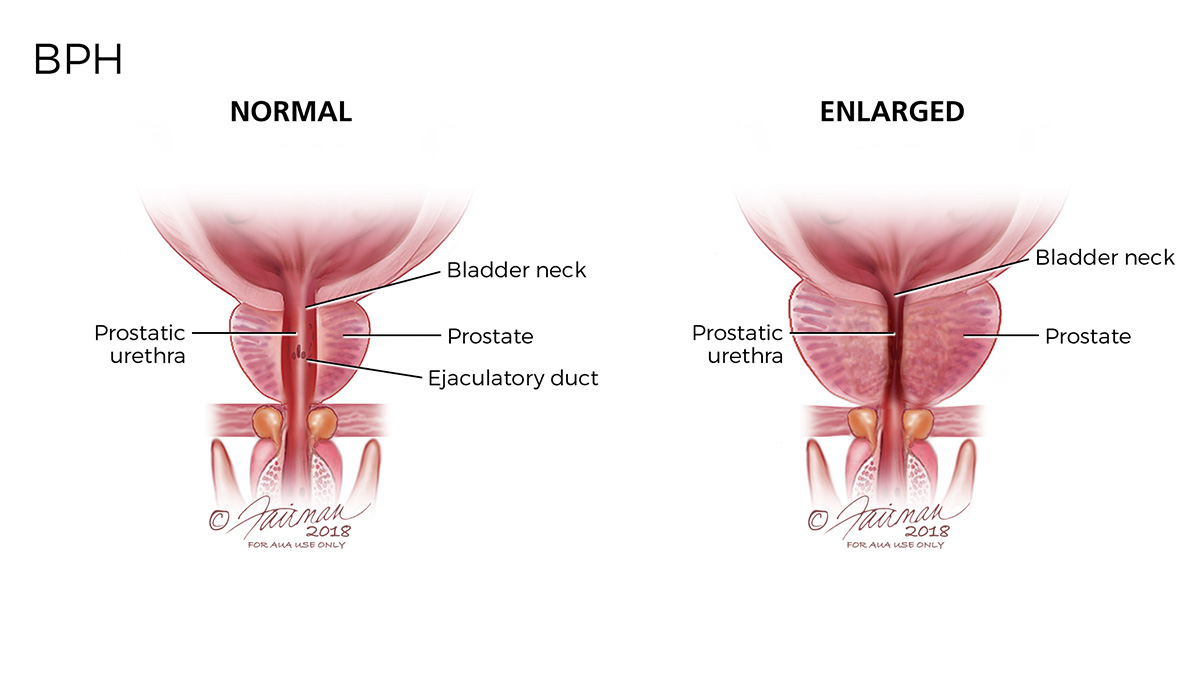
BPH is an enlarged prostate. The prostate goes through two main growth cycles during a man’s life. The first occurs early in puberty, when the prostate doubles in size. The second phase of growth starts around age 25 and goes on for most of the rest of a man’s life. BPH most often occurs during this second growth phase.

As the prostate enlarges, it presses against the urethra. The bladder wall becomes thicker. One day, the bladder may weaken and lose the ability to empty fully, leaving some urine in the bladder. Narrowing of the urethra and urinary retention – being unable to empty the bladder fully – cause many of the problems of BPH.

BPH is benign. This means it is not cancer. It does not cause or lead to cancer. However, BPH and cancer can happen at the same time.

BPH is common. About half of all men between ages 51 and 60 have BPH. Up to 90% of men over age 80 have it.

Diagram of Normal and Enlarged Prostate

What is the Prostate

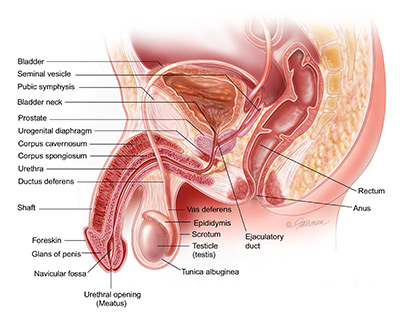
The prostate is part of the male reproductive system. It is about the size of a walnut and weighs about an ounce. The prostate is found below the bladder and in front of the rectum. It goes all the way around a tube called the urethra, which carries urine from the bladder out through the penis.

The prostate’s main job is to make fluid for semen. During ejaculationsperm made in the testicles moves to the urethra. At the same time, fluid from the prostate and the seminal vesicles also moves into the urethra. This mixture – semen – goes through the urethra and out through the penis.

Diagram of the Male Reproductive System

Symptoms

When the prostate is enlarged, it can bother or block the bladder. Needing to urinate often is a common symptom of BPH. This might be every 1 to 2 hours, mainly at night.

Other symptoms include:

  • Feeling that the bladder is full, even right after urinating
  • Feeling that urinating “can’t wait”
  • A weak flow of urine
  • Needing to stop and start urinating several times
  • Trouble starting to urinate
  • Needing to push or strain to urinate

If BPH becomes severe, you might not be able to urinate at all. This is an emergency that must be treated right away.

How Can BPH Affect Your Life?

In most men, BPH gets worse with age. It can lead to bladder damage and infection. It can cause blood in the urine and cause kidney damage.

Causes

The causes of BPH are not well-understood.

Some researchers believe that factors related to aging and the testicles may cause BPH. This is because BPH does not develop in men whose testicles were removed before puberty.

Throughout their lives, men produce both testosterone, a male hormone, and small amounts of estrogen, a female hormone. As men age, the amount of active testosterone in the blood lowers, leaving a higher share of estrogen. Studies have suggested that BPH may happen because the higher share of estrogen in the prostate adds to the activity of substances that start prostate cells to grow.

Another theory points to dihydrotestosterone (DHT), a male hormone that plays a role in prostate development and growth. Some research has shown that, even when testosterone levels in the blood start to fall, high levels of DHT still build up in the prostate. This may push prostate cells to continue to grow. Scientists have noted that men who do not produce DHT do not develop BPH.

Who is at Risk for BPH?

Aging and a family history of BPH increase a man’s risk for BPH. Obesity, lack of staying active, and erectile dysfunction can also increase risk.

Can BPH be Prevented?

There is no sure way to stop BPH, but losing weight and eating a healthy diet that involves fruits and vegetables may help. This may relate to having too much body fat, may increase hormone levels and other factors in the blood, and stimulate the growth of prostate cells. Staying active also helps control weight and hormone levels.

Diagnosis

See your doctor if you have symptoms that might be BPH. See your doctor right away if you have blood in your urine, pain or burning when you urinate, or if you cannot urinate.

Your doctor can diagnose BPH based on

  • Personal or family history
  • A physical exam
  • Medical tests

The American Urological Association (AUA) has built a BPH Symptom Score Index. It’s a series of questions about how often urinary symptoms happen. The score rates BPH from mild to severe. Take the test and talk with your doctor about your results.

Your doctor will review your Symptom Score and take a medical history. You will also have a physical exam that involves a digital rectal exam (DRE). Your doctor may also want you to have some or all of these tests:

  • Cystoscopy to look at the urethra or bladder with a scope
  • Post-void residual volume to measure urine left in the bladder after urinating
  • PSA blood test to screen for prostate cancer
  • Ultrasound of the prostate
  • Urinalysis (urine test)
  • Uroflowmetry to measure how fast urine flows
  • Urodynamic pressure to test pressure in the bladder during urinating
  • Urinary blood test to screen for bladder cancer

PSA Blood Test

Prostate-specific antigen (PSA) is a protein that is made only by the prostate. When the prostate is healthy, very little PSA is found in the blood.

The PSA blood test measures the level of PSA in the blood. The test can be done in a lab, hospital, or doctor’s office. No special preparation is needed. The PSA test should be done before the doctor does a DRE. You should not ejaculate for 2 days before a PSA test. That’s because ejaculation can raise the PSA level for 24 to 48 hours.

A low PSA is better for prostate health. A rapid rise in PSA may be a sign that something is wrong. BPH is one possible cause of a high PSA level. Inflammation of the prostate, or prostatitis, is another common cause of a high PSA level.

Digital Rectal Exam

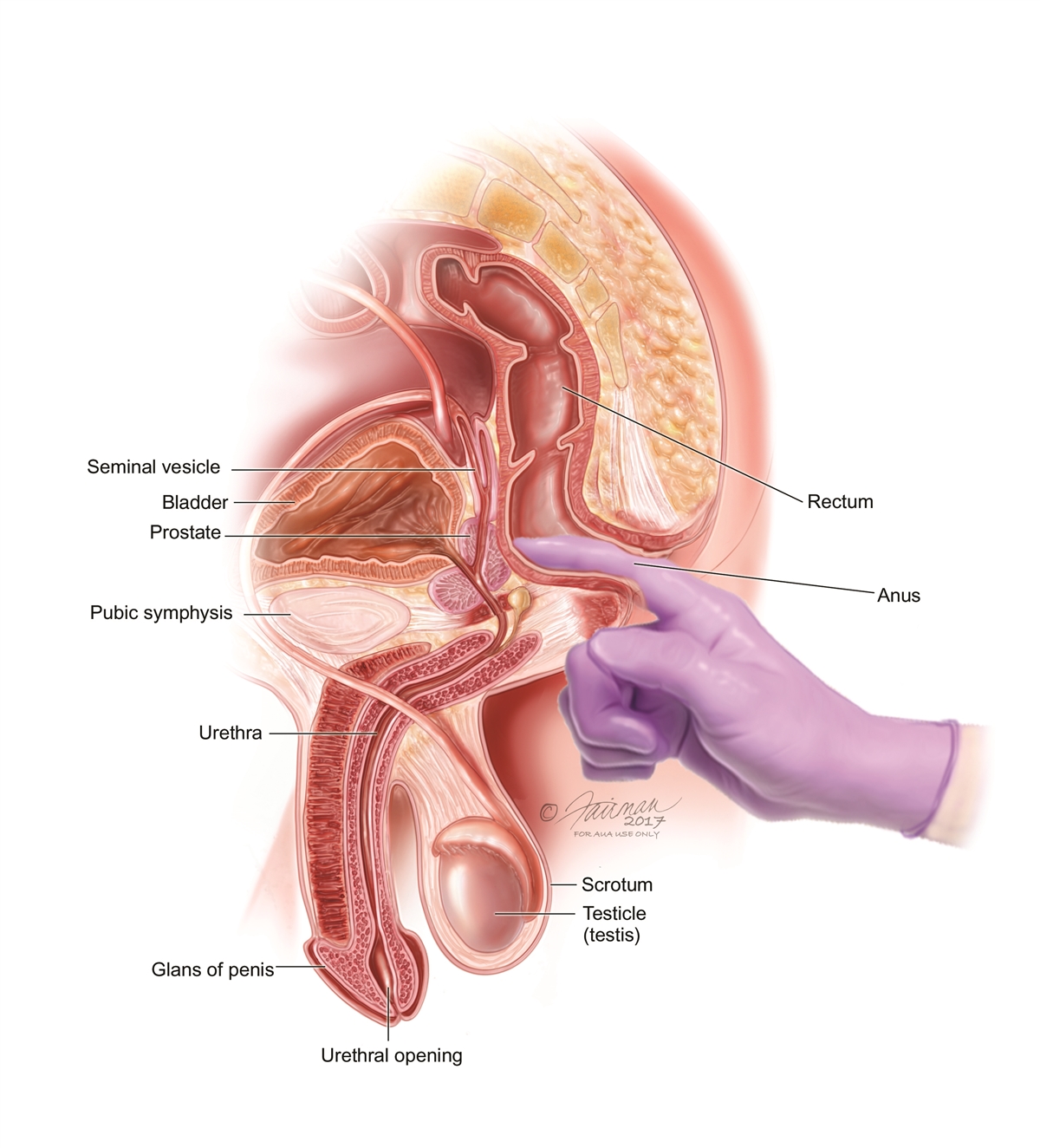
The DRE is done with the man bending over or lying curled on his side. The doctor puts a lubricated, gloved finger into the rectum to feel the shape and thickness of the prostate. The DRE can help your doctor find prostate problems.

Diagram of Digital Rectal Exam of the ProstateEnlarge

Treatment

There are many options for treating BPH. You and your doctor will decide together which treatment is right for you. Mild cases may need no treatment at all. In some cases, minimally invasive procedures (surgery without anesthesia) are good choices. And sometimes a combination of treatments works best.

The main types of treatments for BPH are:

  • Active Surveillance
  • Prescription Drugs
  • Less Invasive Surgery
  • More Invasive Surgery

Active Surveillance

Often, BPH will only require active surveillance. If you and your doctor choose this treatment option, your BPH will be closely watched but not actively treated. This means that BPH is monitored with regular visits to your urologist. A yearly exam is common. Your health care provider will look for worse or new issues before suggesting anything else. Diet and exercise are often recommended as a way to prevent or manage your symptoms.

Active surveillance is best for men with mild to moderate symptoms. It is also an option for men who are not bothered by the effects of BPH. If your symptoms get worse, or if new symptoms appear, your doctor may suggest that you begin active treatment.

Prescription Drugs

Alpha Blockers

Alpha blockers relax the muscles of the prostate and bladder. They improve urine flow, reduce blockage of the urethra and reduce BPH symptoms. They do not reduce the size of the prostate. Men with moderate to severe BPH and men who are bothered by their symptoms are good candidates. Alpha blockers are not a good choice for men who are about to have cataract surgery.

These prescription drugs are pills taken by mouth. Alpha-blocking drugs include alfuzosin, doxazosin, silodosin, tamsulosin and terazosin.

Side effects may include dizziness, lightheadedness, fatigue and trouble ejaculating. One benefit of alpha blockers is they start to work right away.

5-Alpha Reducatase Inhibitors

5-alpha reductase inhibitors block the production of DHT, a male hormone that can build up in the prostate and may cause prostate growth. They shrink the prostate, increase urine flow and reduce the risk of BPH complications. They also make it less likely that you will need surgery. These drugs may be best for men with very large prostate glands.

These prescription drugs are pills taken by mouth and include dutasteride and finasteride. They may take many months to become fully effective.

Side effects include erectile dysfunction and reduced libido (sex drive). You must keep taking the pills to prevent symptoms from coming back.

Combined Therapy

With combined therapy, an alpha blocker and a 5-alpha reductase inhibitor are used together. Men with larger prostates are good candidates for this treatment.

Alpha blockers and 5-alpha reductase inhibiters may work better together than either drug does alone. They improve symptoms and prevent BPH from getting worse.

Possible drug combinations include:

  • Finasteride and doxazosin
  • Dutasteride and tamsulosin, a combination that is available in a single tablet
  • Alpha blockers and antimuscarinics

A urologist may add antimuscarinics for patients with overactive bladder symptoms. Overactive bladder is when the bladder muscles squeeze uncontrollably. It leads to the frequent and urgent need to pass urine. It can lead to incontinence (leaking). Antimuscarinics relax the bladder muscles.

Side effects may happen with each drug. By taking two drugs, you may have more side effects than if you were taking just one. Some side effects in patients on combination therapy were dizziness, erectile dysfunction, weakness or lack of energy and a drop in blood pressure when moving from sitting or lying down to standing.

Phytotherapies

Phytotherapies are herbal treatments. They are not prescribed by a doctor, but are sometimes a form of “self-treatment.”

Men buy them over the counter as dietary supplements. One popular herb is saw palmetto. Several important studies show they do not work. Also, the quality and purity of supplements vary. Doctors do not currently recommend herbal treatments for BPH.

Less Invasive Surgery

Minimally invasive or less invasive surgeries require only tiny cuts or no cuts to the body. Good candidates include men who have taken BPH medication that did not work or men with the following symptoms:

  • Weak stream of urine
  • Straining to pass urine
  • Urinary tract obstruction, bladder stones and/or blood in your urine
  • Incomplete emptying
  • Bleeding from the prostate

They can often be done as an outpatient, without a stay in the hospital. Recovery time is usually quicker. They can offer relief from symptoms, including urine control problems. On the other hand, they do not reduce your risk for another surgery.

Side effects for having certain types of minimally invasive surgery is the increased risk you will need to have another surgery or need to go back on medications. Other temporary side effects may include:

  • Blood in the urine
  • Burning when you pass urine
  • Needing to pass urine more often
  • Sudden urges to pass urine
  • Urinary Tract Infection
  • Less often, erectile dysfunction or retrograde ejaculation (semen flowing backward into the bladder instead of out of the penis)

Choosing the right type of surgery for you may depend on the size of your prostate, your overall health and your personal choice. Some types of surgeries ARE NOT recommended to include prostate artery embolization (PAE) and transurethral needle ablation (TUNA). Yet, there are many types of less invasive surgeries your doctor may suggest.

Types of Less Invasive Surgeries

Prostatic Urethral Lift (PUL)

PUL uses a needle to place tiny implants in the prostate. These implants lift and compresses the enlarged prostate so that it no longer blocks the urethra. PUL may be done with either local or general anesthesia.

PUL uses no cutting or heat to destroy or remove prostate tissue. It takes less than an hour and you can usually go home the same day. Most men see symptom improvement within about two weeks. Flow rates tend to be better with TURP; however, men who undergo PUL tend to be very pleased with the less invasive procedure.

Some men may have pain or burning when passing urine, blood in the urine or a strong urge to pass urine. These side effects usually go away within two to four weeks. Men may have fewer sexual side effects after PUL than after other types of prostate surgery.

Men with many medical problems may be good candidates. Men for whom surgery is high-risk may also be good candidates. Many men with enlarged prostates and urinary symptoms may be good candidates for PUL. Men who have PUL can still have other treatment if they need it, including MRI, TURP, etc. If you are allergic to nickel, titanium, or stainless steel, talk to your doctor before getting PUL. Current studies have evaluated seven years of treatment with PUL and future studies may help to determine long term durability.

Water Vapor Thermal Therapy

This treatment uses water vapor (steam) to destroy prostate cells squeezing the urethra.

Inside a handheld device, sterile water is heated to just above the boiling point, when it turns into steam. A precise dose of thermal energy from the steam is then injected into the prostate with a small needle. The release of this thermal energy causes rapid cell death. The body’s natural healing response then breaks down and removes the dead tissue, causing the prostate to shrink.

The treatment is done in the doctor’s office with local anesthesia or after you have taken a pill for pain. You may have blood in your urine and need to use a catheter for a few days. Painful or frequent urination should go away within about two to three weeks. Sexual side effects, such as erectile dysfunction, are unlikely.

Studies currently suggest that symptom improvement lasts for at least five years. It is not currently known whether the treatment continues to work long-term (beyond the five-year point) or whether patients eventually need to have additional treatment.

Men may be good candidates if they do not want to take medication for BPH or if they have tried medication and found it did not work. Unlike other less invasive therapies, this therapy can treat men who have a middle lobe of the prostate. Men who prefer not to have surgery or want to avoid sexual side effects may also be good candidates.

Transurethral Microwave Therapy (TUMT)

TUMT uses microwaves to destroy prostate tissue. The urologist threads a catheter through the urethra to the prostate. A device called an antenna sends microwaves through the catheter to heat selected portions of the prostate. The heat destroys excess prostate tissue. A cooling system protects the urinary tract from heat damage during the procedure.

TUMT does not require general anesthesia. The surgeon numbs the skin and gives you a pain pill. TUMT only takes an hour. It may relieve bladder obstruction. There is little blood loss or fluid absorption. You can usually go home the same day. TUMT poses a low risk of side effects, such as urinary tract infections, urinary incontinence and scarring in the urethra. Some men have symptoms to include frequent or intense urges to pass urine and a burning feeling when passing urine. Newer therapies have largely replaced this practice.

Men with too many medical problems for invasive surgery may be good candidates for TUMT. Men with weak hearts may be good candidates because there is minimal blood loss. So are men who want to avoid anesthesia.

Catheterization

Catheterization uses a tube called a catheter in the bladder to drain urine. Catheters can be placed through the urethra or via a small puncture in the bladder above the pubic bone. This option is helpful for men with bladder control problems and a blocked prostate. Still, catheters’ benefits are temporary.

There are two types of catheters. The catheter may be “clean,” which means it is placed and removed every six to eight hours. Or it may be “indwelling,” which means it is left in the bladder for a short or long time.

Side effects of using catheters may be infection. When a catheter is in place for a long time bacteria can stick to the catheter surface. This makes it hard for the immune system or antibiotics to work. Using a catheter for a few years increases risk for bladder cancer and can destroy the tissue of the penis. This is probably due to the long-term irritation caused by the catheter sitting in the bladder or at the meatus (urine opening at the tip of the penis). The risk of infection and cancer is lower with “clean intermittent catheterization” than with an “indwelling” catheter.

Good candidates for using catheters include men who are waiting for medication to work or waiting for surgery. Catheters are also used during treatment for an infection. They may be a good choice for men who have many medical problems and for men toward the end of their lives, when surgery is not advised.

More Invasive Surgery

In severe cases of BPH, or when other options fail, more invasive surgery is recommended. More invasive surgery is best if you:

  • Are unable to pass urine
  • Have kidney damage
  • Have frequent urinary tract infections
  • Have a lot of bleeding
  • Have stones in the bladder

There are several options. The best option will depend on your health, your doctor’s expertise and your personal choice.

Types of More Invasive Surgeries

Options below appear in order of least invasive to most invasive.

Transurethral Incision of the Prostate (TUIP)

TUIP may be used if you have a smaller prostate but still have major blockage of the urethra. Instead of cutting and removing tissue, TUIP widens the urethra. The surgeon uses a laser beam or an electrical current to make small cuts in the bladder neck, where the urethra joins the bladder, and in the prostate. This reduces the pressure of the prostate on the urethra and makes urination easier. A catheter is left in your bladder for one to three days after surgery. The hospital stay is one to three days.

TUIP may improve the ability to pass urine. It may ease symptoms. Temporary urine retention, urinary tract infection, dry orgasm, incontinence and erectile dysfunction are possible side effects. Some men need additional treatment after TUIP.

Men who have a smaller prostate or do not want a more complete prostate resection but need surgery are good candidates for TUIP. The procedure is less likely to interfere with ejaculation than the more substantial TURP.

Photoselective Vaporization (PVP)

PVP is a very common surgery for BPH. In PVP, the surgeon guides a thin tube (a cystoscope) through the urethra to the prostate. Then the surgeon uses a laser to destroy obstructing prostate tissue and stop bleeding.

PVP is done as an outpatient procedure at the hospital or sometimes in the doctor’s office. Most men can have a PVP without adverse events. There is little bleeding and few side effects. After PVP, you can often stop medical therapy for BPH.

Good candidates for PVP include men with small- to moderate-sized prostates and those with too many medical problems for more-invasive surgery. Men with weak hearts are also good candidates because there is no blood loss. So are men who want to limit anesthesia. Men with a higher risk of bleeding, such as those taking blood-thinning medications, may also be good candidates for PVP.

Transurethral Resection of the Prostate (TURP)

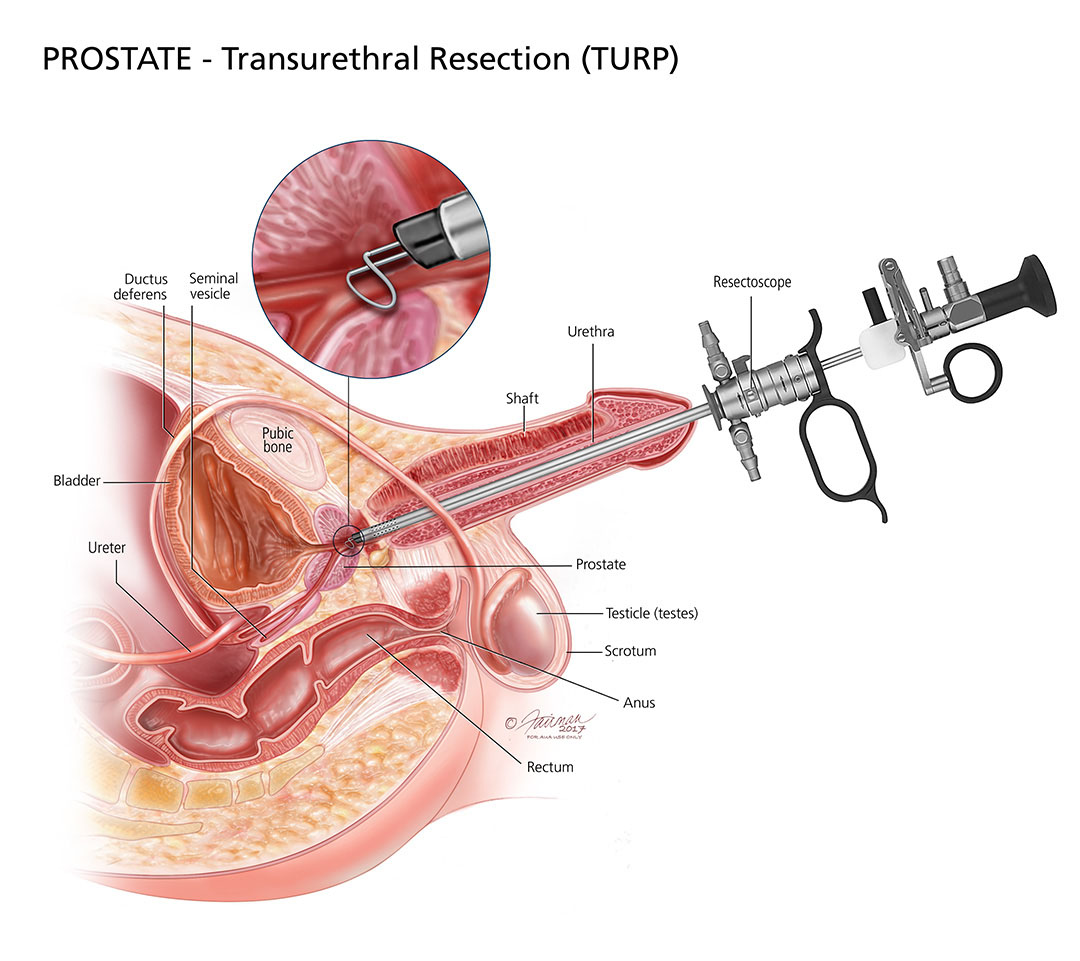
TURP is also a very common surgery for BPH. After anesthesia, the surgeon inserts a thin, tube-like instrument (a resectoscope) through the tip of the penis into the urethra. The resectoscope has a light, valves for irrigating fluid and a thin wire loop. An electrical current is passed along the wire. The surgeon uses the electrified wire to cut away prostate tissue that is blocking the urethra and seal blood vessels. The removed tissue is flushed into the bladder and from there out of the body. You will need to use a catheter for one to two days after the procedure.

Diagram of Transurethral Resection of the Prostate (TURP)Enlarge

This treatment has well known long-term outcomes. Other treatments are generally compared with it. Symptoms generally improve markedly. The effects of treatment last for 15 years or more.

TURP does not remove the entire prostate. No incisions (cuts) are needed. The hospital stay is one to two days or until there is no significant blood in your urine. TURP does require anesthesia. As with any surgery, anesthesia poses a risk.

Side effects of TURP may include retrograde ejaculation, erectile dysfunction, urinary tract infections right after surgery and urinary incontinence. Full recovery takes about four to six weeks.

Men who require surgery because of moderate to severe BPH symptoms may be good candidates for TURP.

Holmium Laser Enucleation of Prostate (HoLEP)

In HoLEP, the surgeon places a thin, tube-like instrument (a resectoscope) through the penis into the urethra. A laser inserted into the resectoscope destroys the excess prostate tissue.

No incisions (cuts) are needed. You may only need to stay one night in the hospital. There is very little bleeding. A catheter is used, but it is usually removed the next day. You may have blood in your urine or frequent or painful urination for a few days. This treatment requires anesthesia. Men having HoLEP have more post-operative stress urinary incontinence compared to the other surgeries, but this improves in about one year. As with any surgery, anesthesia poses a risk.

Men with larger prostates who wish to avoid more-invasive surgery may be good candidates for this treatment. Men with a higher risk of bleeding, such as those taking blood-thinning medications, may also be good candidates for HoLEP.

Thulium Laser Enucleation of the Prostate (ThuLEP)

ThuLEP is similar to HoLEP but uses a different type of laser. As in HoLEP, the surgeon places a thin, tube-like instrument (a resectoscope) through the penis into the urethra. A laser inserted into the resectoscope destroys the excess prostate tissue.

No incisions (cuts) are needed. There is very little bleeding. Recovery is rapid. A catheter may be used, but it is usually removed the next day. You may have blood in your urine or frequent or painful urination for a few days. You may only stay one night in the hospital. But this treatment requires anesthesia. As with any surgery, anesthesia poses a risk.

Men with larger prostates who wish to avoid more-invasive surgery may be good candidates for this treatment. Men with a higher risk of bleeding, such as those taking blood-thinning medications, may also be good candidates for ThuLEP.

Transurethral Vaporation of the Prostate (TUVP)

In TUVP, the surgeon inserts a thin, tube-like instrument (a resectoscope) into the urethra. This instrument has a lens, a light, and a tool that sends out an electrical current to destroy prostate tissue. Heat from the electrical current seals small blood vessels, reducing the risk of bleeding.

There is little bleeding or fluid absorption. You may stay one night in the hospital and you can usually return home without a catheter. This treatment requires anesthesia. As with any surgery, anesthesia poses risks.

Men with larger prostates who wish to avoid more-invasive surgery may be good candidates for TUVP.

Transurethral Water–Jet Ablation (TWJA)

TWJA uses high-pressure water jets to destroy excess prostate tissue. The surgeon first uses ultrasound to precisely map the location of the excess tissue. Then the high-pressure water jets are directed to that area. Following this, the surgeon inserts another instrument to seal small blood vessels to reduce the risk of bleeding. The patient needs to stay in the hospital one night to irrigate the bladder to prevent blood clots. You may need to use a catheter for about 48 hours after the procedure and should be able to go home the next day.

After Treatment

For most men, symptoms of BPH improve after treatment. Infection, bleeding, incontinence, and erectile dysfunction may occur after some treatments. In some cases, scar tissue may form.

What are the Long–Term Side Effects of Treatment?

Side effects vary with the type of treatment you choose. Most side effects are temporary. It may take a while for sexual function to fully return. Most experts agree that if you were able to have an erection shortly before surgery, you will probably be able to do so after surgery. Most men find little or no difference in orgasm. You may have retrograde ejaculation (when semen enters the bladder rather than being sent out through the penis). For most men, side effects lessen with time. Some treatments may cause long-term side effects for some men.

How Can You Prevent a Recurrence of BPH?

Once you have been treated for BPH, taking medication can prevent symptoms from returning or getting worse. Some men may need additional treatment. Some men need repeated treatment to get rid of bothersome symptoms. In older men, it may be possible to control BPH symptoms to the end of life.

Experimental Therapies without Proven Benefit

Prostate Artery Embolization (PAE)

PAE is a new procedure for treating BPH that is still being tested in clinical trials in the United States. Clinical trials are research studies that test how well new treatments work in people.

In PAE, tiny round particles are injected through a catheter into the vessels that supply blood to the prostate. The particles block blood flow to the large blood vessels (arteries) of the prostate. This causes the prostate to shrink.

Because PAE is new and still being tested, little is known for sure about how well it works and what side effects it may cause. At this time, the American Urological Association advises that patients should be treated with PAE only in a clinical (experimental) trial.


Recognition (Suspicion) for Benign Prostatic Hypertrophy 

MALE

Needing to urinate often. This might be every 1 to 2 hours, mainly at night.

Other symptoms include:

  • Feeling that the bladder is full, even right after urinating
  • Feeling that urinating “can’t wait”
  • A weak flow of urine
  • Needing to stop and start urinating several times
  • Trouble starting to urinate
  • Needing to push or strain to urinate

FUNWISE

Frequency

Urgency

Nocturia

Weak stream

Intermittency

Straining

Incomplete emptying


BPH Symptom Score 

BPH Symptom Score


Diagnosis:

Rectal examination – enlarged prostate (no palpable dominant mass suspicious for prostatic cancer)

Ultrasound 

Transrectal

Transabdominal 


Treatment 

Active Surveillance

Prescription Drugs

Alpha blockers — alfuzosin, doxazosin, silodosin, tamsulosin and terazosin.  (Compare)

Alpha blockers relax the muscles of the prostate and bladder. They improve urine flow, reduce blockage of the urethra and reduce BPH symptoms. They do not reduce the size of the prostate.

5-Alpha Reducatase Inhibitors

5-alpha reductase inhibitors block the production of DHT, a male hormone that can build up in the prostate and may cause prostate growth. They shrink the prostate, increase urine flow and reduce the risk of BPH complications. They also make it less likely that you will need surgery. These drugs may be best for men with very large prostate glands.

Combination

A urologist may add antimuscarinics for patients with overactive bladder symptoms. Overactive bladder is when the bladder muscles squeeze uncontrollably. It leads to the frequent and urgent need to pass urine. It can lead to incontinence (leaking). Antimuscarinics relax the bladder muscles.


Prescription Medications

Alpha1-adrenergic Blockers

  • Prazosin
  • Doxazosin
  • Terazosin
  • Tamsulosin
  • Alfuzosin
  • Silodosin

Dihydrotestosterone Reducers

  • Finasteride
  • Dutasteride

Antimuscarinics

  • Mirabegron
  • Oxybutynin (Driptane – 5mg)
  • Solifenacin (vesicare – 5 mg )
  • Tolterodine
  • Darifenacin
  • Trospium
  • Fesoterodine (toviaz – 4 mg)

Phosphodiesterase-5 enzyme inhibitor

  • Tadalafil

Combination medicines

  • Dutasteride and tamsulosin

Alpha1-adrenergic Blockers

  • Prazosin
  • Doxazosin
  • Terazosin
  • Tamsulosin
  • Alfuzosin
  • Silodosin


Surgery

  •  


Posted in Prostate | Tagged | Leave a comment

Titrating levothyroxine

TRIGGER:

A 74-year-old female, post total thyroidectomy in September 2019, with preoperative diagnosis of thyroid cancer and postoperative diagnosis of multiple colloid adenomatous goiter, is being treated with levothyroxine as a replacement therapy (because of the total thyroidectomy).

Her levothyroxine was being titrated since after the operation from 100 mcg to 50 mcg per day. 

Given 100 mcg per day, her TSH was below normal; FT4 was normal.  Given 50 mcg per day, at one determination, her TSH was high and at another determination, normal; FT4 was normal.   Given 75 mcg  per day, at one determination, her TSH was low and at another determination, normal; FT4 was normal.

Here is her latest concern (concern with the roller-coaster values of the TSH):

Recommendations:

Keep levothyroxine at the lowest possible dose (which is 50 mcg / day).

Balance between over and under dosage.  If there will be an error in balancing, it is much better to err on the under dosage.  Long-term side effects of over dosage (osteoporosis and heart problems) are more unwanted that those of under dosage (heart problems).

ROJ@21feb8

Posted in Thyroid | Leave a comment

How to answer relatives of terminally-ill patients

Terminally-ill patients are those patients whose chances of cure and recovery from a medical disease are practically nil.

They are just waiting for nature to take its course until the final curtain call, until the day they die, until their last breathe / heart beat.

For such terminally-ill patients, the patients, relatives as well as physicians have to accept such kind of a reality in life, in particular, in the medical management of diseases.  This is so that management will be easier and practical and not unnecessarily costly.

There is an aphorism that runs like this: “cure sometimes, relieve often, and comfort always.”  Again, all patients, relatives as well as physicians should realize and accept this. This the best that the physicians can do.

I have several terminally-ill cancer patients  whose relatives are in touch with me 24/7.  Despite the fact that I already told them, especially the relatives, that there is a very slim chance for cure for their relatives, every now and then, sometimes, every day, every hour, every second, they would ask me what will we do next, why is it that the lesion is getting bigger, why is it that there is more difficulty in breathing,  etc.  The relatives understood my explanation on the prognosis but somehow they cannot accept completely.  They cannot completely accept to just wait and do nothing.  There are days and moments that they still hope something could still be done.

As a physician, I have difficulty answering and managing the relatives (as well as the patients) in terminally-ill conditions, particularly when there are new symptoms or progression of existing symptoms in the patients.

Today, July 22, 2020, I was asked this question: “parang mabilis ang laki ng sugat niya.”  (it seems there is fast growth of the wound or lesion.)  The other day, I was told ” Good evening doc. Lumapad po ung wound nya sa dibdib. Pati po under arm, nagtutubig na.” (there is widening of the wound in the chest and also in the armpit, with watery discharge already.)  The patient has far-advanced breast cancer with an extensive fungating mass which is inoperable.

I decided to formulate a careful diplomatic answer so that I would not “antagonize” the relatives.

I said: “It is a natural course of the disease which cannot be effectively controlled by usual conventional and alternative medicines. Just have to continue to accept this reality and let nature take its course. Just try our very best to support her mentally and physically, particularly with pain medications, so that she will not suffer tremendously before the final curtain calls.”

I hope this works.

NOTE: WILL TRY TO COLLECT MORE ANECDOTES ON THE TOPIC.


ROJ@20jul22


October 31 – Nov 1, 2024

A 65-year-old Filipino female with a Stage 4 colorectal cancer. After a palliative ileostomy, she tried undergoing chemotherapy but could not tolerate it after 2 sessions.

One week before death, she was still up and about but relatives had agreed on hospice care. I advised the relatives if they have to bring the patient to the hospital, they had to tell the physicians the advance directive.

5 days after seeing me, relatives sent me a message (Oct 31, 2024): “Dr. Joson good afternoon po dadalhin namin si Tita Loida sa PGH, hindi na po maganda kondisyon nya. Ayaw na po nya uminom at kumain.” Patient was still conscious but with unstable vital signs. She was rushed to the emergency room.

A resident saw her and reported to me:

Good afternoon po sir, updating of an ER consult desirous of admission under your service po sir

RESUS
POLICARPIO, Lxxxxx Lxxxx
65 y/F

Known case of:
Sigmoid adenocarcinoma stage IV (T4N1M1)
s/p EL, loop ileostomy (2024-04-06, PGH)
s/p Panitumumab-FOLFOX x 2 (2024

1 week prior, presented with generalized pruritus and knee pain causing difficulty in ambulation. Advised Diphenhydramine and Hospice consult.
Interim, with poor oral intake.
Few hours prior, noted disorientation with blood tinged ileostomy output hence brought to PGH ER.

Currently
Afebrile
With spontaneous eye opening but no regard, withdraws to pain, with incomprehensible sounds
BP 110/70 HR 110s RR 24 Sats 100% 10LPM FM
Occ rhonchi bilateral
Abdomen nondistended soft tender over hypogastric area
Stoma viable with blood tinged output

Assessment:
t/c multiple electrolyte imbalance secondary to poor oral intake

Plan:
Suggest to facilitate the following labs if ok with you po sir:
[] CBC
[] Na K Mg BUN Crea
[] CXR
[] 12L ECG
Will start electrolyte correction accordingly if ok po
Suggest Hospice referral sir
Thank you po


I answered the resident and said I will talk to relatives first. After talking to the relatives, they had maintained their decision on hospice care. NO resuscitation.

I told the resident: “No more Hospice Referral. Tayo mag hospice care. Make the relative sign the DNR / DNIntubate forms. No more lab tests. Just hydrate with electrolytes and observe. Update me. Thanks”

Resident updated me several hours after patient was admitted: Inquiring po sir if we will start pressors if not responsive to hydration po? DNR, DNI form has been secured and signed po. Thank you po.”

I said: “I talked to the relative just now (1018 am). No more pressors -no other meds – just wait for the last breath.”

The patient died the next day with just an intravenous fluid line and oxygen inhalation.

The relatives messaged me:

“Dr. Joson, Wala n po si Tita Loida. Kami po sa aming sambahayan ay taus pusong nagpapasalmat sa iyo sa lahat ng tulong mo sa amin. Mula sa araw n madiagnose si Tita ng colon cancer hindi nyo po sya pinabayaan. Maraming maraming salamat po. Mula po sa Lxxx- Policarpio Family”


I asked two 4th-year residents to give me reflection notes:

First resident:

Good evening po Sir. I think po Sir given with her current prognosis, ordering for additional tests or treatment does not change anything po to the eventuality of demise. We can still offer pain medications or feeding in the form of IVF or TPN with discussion with relatives to provide comfort and supportive care. Overall po Sir, in my opinion we were able to provide both the patient and family the medical care and empathy that they need without incurring additional unneccesary expenses po.

Thank you po Sir


Second Resident:

Good evening po sir, in managing terminally ill patients, will agree po with a compassionate and palliative approach. I was awed with the trust and confidence the family showed with how we managed her. Truly, effective and clear communication with the patient’s family is essential in this process, discussing the care plan collaboratively with them made them feel involved and reassured that the patient’s comfort is prioritized. The minimalist approach, giving the necessary and effective interventions like hydration and oxygen, without excessive diagnostics reflects a thoughtful, patient-centered strategy that respects both the family’s trust and the patient’s dignity. Ulitmately sir, constant communication, empathy, and respecting the wishes of both patient and family are critical in delivering meaningful, compassionate care at the end of life.


I replied back to my residents: Thanks, Gab and Karol, for your feedback. The most crucial thing in managing patients with terminally-ill disease is that there should be a discussion with the immediate and close relatives who can contribute to informed consent and agreement and after the discussion, an advance directive or informed consent and agreement should be signed on what to else to do and what not to do in term of medical management. The options in management of terminally-ill cancer patients include the following: 1) NO more direct anti-cancer treatment, just symptomatic treatment and full life-support management; 2) NO more direct anti-cancer treatment, just symptomatic treatment and selective or minimum life-support management; 3) NO more direct-anti-cancer treatment and life-support management, just pain relief; and 4) NO more direct-anti-cancer treatment, life-support management and pain relief (when patient is already comatose or does not feel pain anymore). The decisions made by the patient (if he is still conscious to make an advance directive) as well as the relatives should be clearly spelled out in the signed advance directive. The decisions may change overtime and allowable as long as changes are communicated to the attending physicians in a timely manner. In this patient, I was constantly in communication with the patient (2 days before admission) and the relatives (through FB messenger – videos sent to me for evaluation also). We decided to just have intravenous fluid for hydration and oxygen for respiratory support. Relatives had decided to have the patient managed by me only (with no need for referral to physicians or units with a tag of hospice specialist) as I think I can manage the patient well and efficiently using a minimalist approach. Relatives having full trust in me agreed with me and we have decided to forego all the lab exams that are usually ordered by maximalist physicians. Key lessons that can be learned in this patient: 1) Minimalist approach in terminally-ill patients – with the same outcome as in a maximalist approach but with the less expense and 2) constant communication and rapport with patient and relatives with informed decision and agreement and an advance directive. NOTE: you mentioned TPN for feeding. Personally, I would prefer a less-cost NGT if relatives still want to feed the patient. Hope I have imparted something new to your knowledge bank.


Posted in Terminally-ill Patients | Leave a comment

Wound care after an operation – ROJoson Way supported by other specialists

After an operation, I usually ask or encourage patient to take a bath as early as the next day without fear of wetting the operative wound.

Most patients are afraid because of the prevailing belief and practice in the community that operative wounds should not be wet lest they get infected.

Support:

https: / /m.ufhealth.org/sites/default/files/media/Heart-subsite/Thoracic-Surgery-Discharge-Instructions_Final.pdf

Bathing: [my practices in bold fonts particularly]

You can shower 24 hours after your chest tube has been removed.

You may notice a suture where the chest tube was removed. Do not put bandage over suture.
Suture will be removed at your postoperative appointment.

Gently let soap and water run over your incision and pat dry. Do not scrub the incision/wound.
Don’t soak in a bath until your incision is healed and evaluated by your physician at follow-up.

Wound Care: [my practices in bold fonts particularly]

General Instructions
Remove your dressings 2 days after surgery. [Earlier – one day after as indicated]
You may leave your incision open to air.
Keep your incision clean and dry.
No lotions, creams, ointments or powders on incisions until they are well-healed.
You have glue over the incision(s) that will peel off on its own; do not pick it off.
Chest staples/sutures, if present, will be removed 2 to 4 weeks after surgery during your
follow-up clinic visit.
If present, change dressing/bandage when soaked/soiled as needed.
Observe wound daily, checking for signs and symptoms of infection including: increased redness, increased pain at incision, drainage from incision, increased swelling at incision site.

Wet to Dry Dressing Changes
Change dressings twice daily.
Take pain medication 30 minutes prior to changing wound dressings.
Wash your hands prior to handling bandages (wear gloves if recommended).
Gently remove old packing dressing (light bleeding/oozing is expected).
Pack with damp dressing as instructed.
Cover with bandage and secure with tape.
Change outer dressing when soaked or soiled as needed.

Drain Care
You may shower with the drain in place.
Strip/milk the drain tubing towards the bulb to remove clots at least twice daily and as needed.
Empty the drain bulb at least two times daily and as needed by popping the top of the
collection bulb and squeezing into measuring cup. Record the amount of fluid drained
every time on a chart along with the time emptied. Once empty, squeeze the empty
bulb and pop the top back on.

ROJ@20jul18

Posted in Postoperative Wound Care | Leave a comment

Prescription limits of dangerous drugs – Philippines

https://pdea.gov.ph/compliance-service/14-compliance-service#page3


A. FOR CANCER PATIENTS:
1. Morphine Sulfate (tablets) 3,000 mg
MorphineSulfate (ampoules/vials) 448 mg
2. Fentanyl patch 25 ug/hour 30 patches
Fentanyl patch 50 ug/hour 15 patches
Fentanyl ampoules 50 ug/mL
  • 10 ampoules (1mL)
  • 3 ampoules (2mL)
  • 50 ampoules (2mL)for use in Patient
  • Controlled Analgesic
  • (PCA) machine
  • 10 ampoules (10mL)for use in Patient Controlled Analgesic (PCA) machine
3. Oxycontin 1,200 mg
Oxycontin 10 mg 120 tablets
Oxycontin 20 mg 60 tablets
Oxycontin 40 mg 30 tablets
Oxycontin 80 mg 15 tablets
4. Demerol 14 vials
5. Dangerous Drugs (ampoules or 20 pieces
hypodermic tablets 40 pieces
Dangerous Drugs (tablets) 40 pieces
B. FOR ORDINARY CIRCUMSTANCES
1. Benzodiazepines (anxiolytic or hypnotic or both) 30 tabs or caps
Benzodiazepines (anxiolytic or hypnotic or both)
  • 30 tabs or caps
  • 10 ampoules x 1 mL
  • 3 ampoules x 2 mL
  • 2 ampoules x 3 mL
  • 2 ampoules x 5 mL
  • 1 ampoule x 10 mL
Benzodiazepine (muscle spasm/dystonia/tetanus) 90 tablets (5 mg)
2. Phenobarbital preparations
  • 2 weeks supply
  • 2 bottles (100 tablet each) for Epileptic patients
3. Sodium Pentothal 3 vials (in case of hospital use)
4. Demerol 3 Ampoules
5. Other Dangerous Drugs (in vials) 1 vial (in case of hospital use)
6. Ephedrine (parenteral form) 1 vial
Ephedrine, pseudoephedrine, norepher drine (tablet/capsule) 1.6 grams of base
Posted in Dangerous Drugs | Leave a comment

Bedsores

Bedsores Revisited

20jul16

Recently, I have 2 patients in ROJoson Telemedical Consultation with concerns of “bedsores” on the tail bone areas. Both patients have far-advanced breast cancers who stayed in bed most of the time.  They are not completely bedridden.  I advised constant relieving of pressure with daily cleaning of wound and dressing.  In one patient, the bedsores healed after 2 weeks.  The other patient, I just advised her today.

tolentino_bedsore_20jul16

Bedsores Revisited

Excerpts from:

https://www.mayoclinic.org/diseases-conditions/bed-sores/symptoms-causes/syc-20355893

https://www.hopkinsmedicine.org/health/conditions-and-diseases/bedsores

Bedsores — also called pressure ulcers and decubitus ulcers — are injuries to skin and underlying tissue resulting from prolonged pressure on the skin. Bedsores most often develop on skin that covers bony areas of the body, such as the heels, ankles, hips and tailbone.

People most at risk of bedsores have medical conditions that limit their ability to change positions or cause them to spend most of their time in a bed or chair.

Bedsores can develop over hours or days.

Symptoms and Signs of Bedsores

Warning signs of bedsores or pressure ulcers are:

  • Unusual changes in skin color or texture
  • Swelling
  • Pus-like draining
  • An area of skin that feels cooler or warmer to the touch than other areas
  • Tender areas

Bedsores fall into one of several stages based on their depth, severity and other characteristics. The degree of skin and tissue damage ranges from red, unbroken skin to a deep injury involving muscle and bone.

Causes

Bedsores are caused by pressure against the skin that limits blood flow to the skin. Limited movement can make skin vulnerable to damage and lead to development of bedsores.

Prevention

You can help prevent bedsores by frequently repositioning yourself to avoid stress on the skin

If you notice warning signs of a bedsore, change your position to relieve the pressure on the area.

Most sores heal with treatment.

ROJoson

Most crucial strategy: remove the constant pressure by regularly changing body position.

  • Stand-up every now and then. (Example regimen: at least 3 x a day – 30 minutes to one hour as tolerated until wound heals and continue thereafter)
  • Turn to sides every now and then. (Example regimen: at least every 2 hours – 30 minutes to one hour on each side until wound heals and continue thereafter)

For the wounds, just clean with soap and water until they heals.  Gauze dressing after cleaning is optional.  If you want to avoid soiling of some bed linens, place gauze dressing.  I prefer no coverage of wound as much as possible, if not possible, every now and then.  The wound heals faster when exposed to the atmosphere.

Wafers can be used after cleaning of the bedsores.  However, the most crucial healing factor is still removing the pressure.

No need for antibiotics (cream, ointment, tablets) unless frankly infected.

For bedsores with necrotic tissues, do debridement (trimming or excising the dead tissues).

Special mattresses can be used. However, the most crucial healing factor is still removing of constant pressure.


https://www.hopkinsmedicine.org/health/conditions-and-diseases/bedsores

Bedsores are divided into 4 stages, from least severe to most severe. These are:

  • Stage 1. The area looks red and feels warm to the touch. With darker skin, the area may have a blue or purple tint. The person may also complain that it burns, hurts, or itches.
  • Stage 2. The area looks more damaged and may have an open sore, scrape, or blister. The person complains of significant pain and the skin around the wound may be discolored.
  • Stage 3. The area has a crater-like appearance due to damage below the skin’s surface.
  • Stage 4. The area is severely damaged and a large wound is present. Muscles, tendons, bones, and joints can be involved. Infection is a significant risk at this stage.

A wound is not assigned a stage when there is full-thickness tissue loss and the base of the ulcer is covered by slough or eschar is found in the wound bed. Slough may be tan, grey, green, brown, or yellow in color. Eschar is usually tan, brown or black.

ROJoson’s Classification: 

  • Mild – Stage 1 and Stage 2
  • Moderate – Stage 3
  • Severe – Stage 4 and one with slough and/or eschar

Preventive measures of bedsores

https://www.hopkinsmedicine.org/health/conditions-and-diseases/bedsores

  • Turning and repositioning every 2 hours
  • Sitting upright and straight in a wheelchair, changing position every 15 minutes
  • Providing soft padding in wheelchairs and beds to reduce pressure
  • Providing good skin care by keeping the skin clean and dry
  • Providing good nutrition because without enough calories, vitamins, minerals, fluids, and protein, bed sores can’t heal, no matter how well you care for the sore


ROJ@20jul16

Posted in Bedsores | Leave a comment

Oral Sedatives

Examples of oral sedatives  include

benzodiazepines such as diazepam (Valium), lorazepam (Ativan), triazolam (Halcion), and midazolam (Versed); and

non-benzodiazepines such as zolpidem (Ambien) and zaleplon (Sonata).


Level of sedation:

  • Minimal sedation — you are awake but relaxed.
  • Moderate sedation (formerly called “conscious sedation”) — you may slur your words when speaking and not remember much of the procedure.
  • Deep sedation — you are on the edge of consciousness but can still be awakened.
  • General anesthesia — you are completely unconscious.


ROJ@20jul3

Posted in Sedation, Uncategorized | Leave a comment